Introduction
Website speed plays a crucial role in the success of any WooCommerce store. In today’s competitive eCommerce market, even a one-second delay in page load time can significantly reduce conversions, increase bounce rates, and negatively impact search engine rankings. Google prioritizes fast-loading websites, and customers expect smooth, instant shopping experiences—especially on mobile devices.
Best LMS website design ideas
In this guide, we’ll explore the best LMS website design ideas that help schools, colleges, and coaches create effective, scalable, and learner-friendly platforms.
1. Clean and Intuitive User Interface
A clean and intuitive UI is the foundation of any successful LMS website. Students should be able to find courses, lessons, assignments, and progress reports without confusion. Simple layouts, clear navigation menus, and consistent design patterns make the learning experience smooth and stress-free.
Avoid cluttered dashboards and unnecessary animations. Instead, focus on readability, spacing, and visual hierarchy. A well-structured interface reduces cognitive load, allowing learners to focus on content rather than navigation.
2. Mobile-Responsive LMS Design
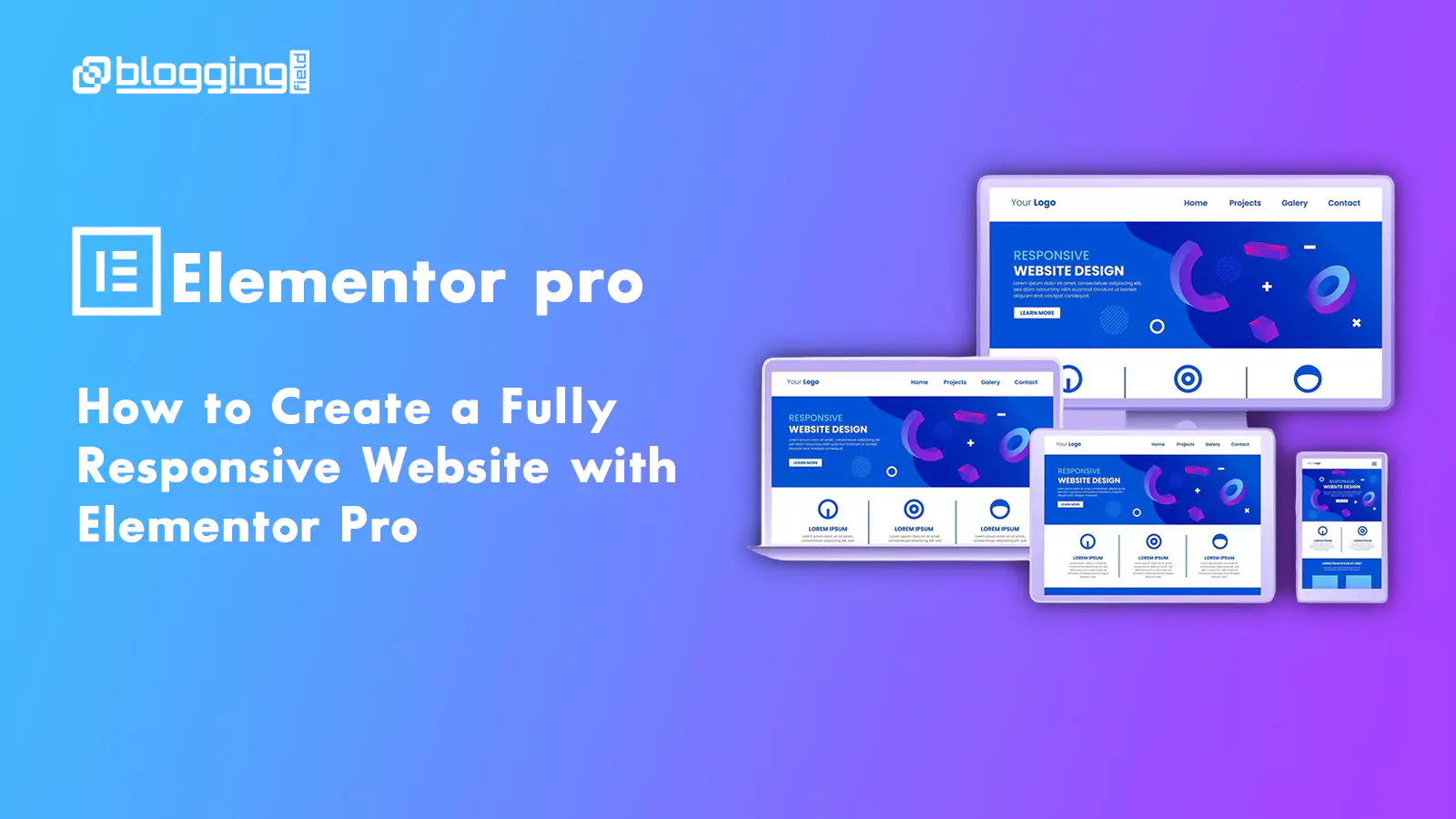
With a large number of students accessing courses via smartphones and tablets, mobile responsiveness is no longer optional. A responsive LMS design ensures that your website adapts perfectly to all screen sizes, providing a seamless learning experience across devices.
For coaches and working professionals, mobile-friendly LMS websites allow learners to watch lessons, take quizzes, and track progress on the go. This flexibility significantly improves engagement and course completion rates.
3. Personalized Student Dashboards
Personalization is one of the most powerful LMS design features. A personalized student dashboard can display enrolled courses, learning progress, certificates, upcoming deadlines, and recommendations based on user activity.
For schools and colleges, dashboards can include attendance, grades, and announcements. For coaches, dashboards can highlight completed sessions, upcoming live classes, and downloadable resources—making learners feel guided and supported throughout their journey.
4. Clear Course Structure and Navigation
A well-organized course layout improves learning outcomes. Courses should be divided into modules, lessons, quizzes, and assignments in a logical sequence. Visual progress indicators help learners understand how far they’ve come and what’s next.
Using collapsible sections, lesson checkmarks, and breadcrumbs ensures easy navigation. A clear structure is especially important for long-term academic courses and certification-based coaching programs.
5. Engaging Visual Design and Branding
Your LMS website should reflect your institution’s brand identity. Consistent colors, fonts, logos, and imagery build trust and recognition. A professional design instantly improves credibility, especially for colleges and paid coaching platforms.
Use illustrations, icons, and subtle animations to make the platform engaging without distracting from learning. High-quality visuals combined with proper contrast and typography improve accessibility and readability.
6. Interactive Learning Features
Modern LMS websites go beyond static content. Interactive elements like quizzes, polls, discussion forums, live classes, and assignments keep learners actively involved. Engagement-focused design encourages participation and knowledge retention.
For coaches, features such as live video sessions, Q&A sections, and feedback forms create a classroom-like experience. Schools and colleges can integrate discussion boards to promote collaboration and peer learning.
7. Fast Loading Speed and Performance Optimization
Performance is a critical part of LMS website design. Slow-loading pages frustrate learners and increase drop-off rates. Optimized images, clean code, fast hosting, and caching help ensure smooth performance.
Search engines also favor fast websites, so speed optimization improves both user experience and SEO rankings. A high-performing LMS keeps students engaged and reduces technical interruptions during learning.
8. Accessibility and Inclusive Design
An effective LMS website should be accessible to all learners, including those with disabilities. Use readable font sizes, proper color contrast, keyboard navigation, and screen-reader-friendly elements.
Accessibility-focused design ensures compliance with global standards and makes learning inclusive. Schools and colleges, in particular, benefit from creating LMS platforms that support diverse student needs.
9. Secure Login and Data Protection
Security is essential for LMS websites handling student data, assignments, and payments. Implement secure login systems, SSL certificates, role-based access, and regular updates.
For coaching platforms offering paid courses, secure payment gateways and data encryption build trust and protect user information. A secure LMS design enhances credibility and long-term user retention.
10. Easy Content Management for Admins
An LMS website should be easy to manage from the admin side. Teachers and coaches should be able to upload lessons, manage users, track performance, and update content without technical complexity.
Using popular platforms like WordPress LMS plugins or custom dashboards helps administrators focus on teaching rather than technical maintenance.
Conclusion
A well-designed LMS website is the backbone of successful online education for schools, colleges, and coaches. By focusing on clean UI, mobile responsiveness, personalization, performance, accessibility, and security, you can create a learning platform that delivers real value to students and educators alike.
Frequently Asked Questions (FAQs)
What makes a good LMS website design?
A good LMS website design is clean, user-friendly, mobile-responsive, fast, and accessible. It should offer clear navigation, personalized dashboards, interactive learning tools, and secure data handling.
Why is LMS design important for schools and colleges?
LMS design directly impacts student engagement, learning outcomes, and course completion. A well-designed LMS improves usability, supports structured learning, and enhances overall educational quality.
Can coaches use LMS websites for online courses?
Yes, LMS websites are ideal for coaches offering online courses, live sessions, and certifications. They allow content organization, student tracking, payments, and interaction in one platform.